

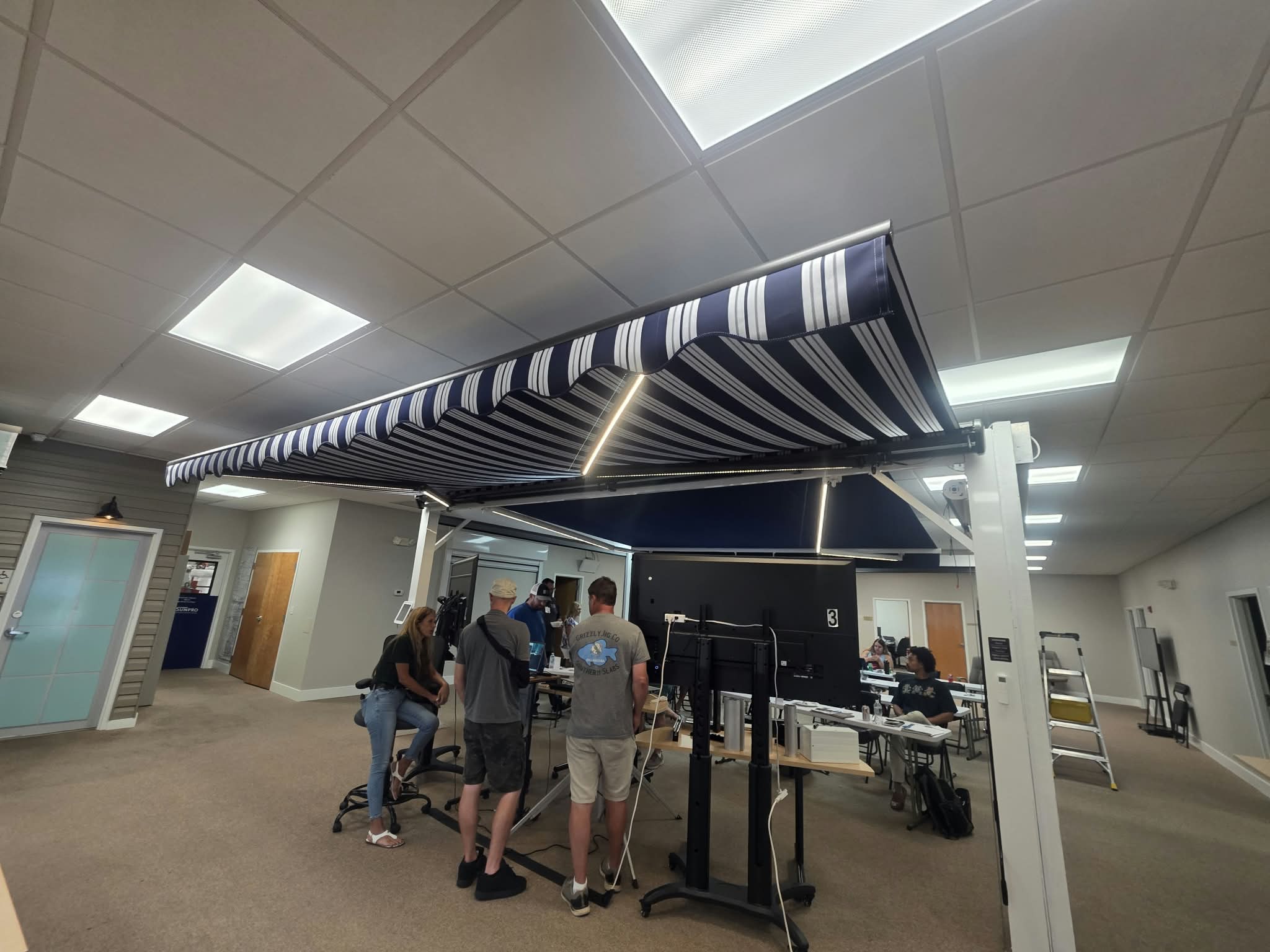
Quick answer: The best outdoor patio shades in Alabama are exterior roller shades made with a solar fabric, usually 5% or 10% openness, mounted on a zip track or cable guide that holds up in wind. They cut sun and heat, keep your view, and make a patio usable from May through September. They are not a roof, so they will not keep you dry in a heavy rain.
I'm Brad Fuller. I've spent more than 12 years measuring, building and installing window treatments across North Alabama, and outdoor shades are some of the jobs people notice the fastest. A west facing patio in Huntsville in July goes from a spot you avoid to a spot you actually sit in. This guide covers what I tell homeowners in Huntsville, Madison, Decatur, Athens and Cullman before they buy: which shade fits, what it can and cannot handle, and where people waste money.
Why North Alabama patios need their own shade plan
Our summers are long, humid and bright. Low afternoon sun from the west hits patios hard from late spring into September. Then you add pop up thunderstorms, gusty fronts, tornado season and a spring pollen season that turns everything yellow.
A shade that works in a dry climate does not automatically work here. When I plan an outdoor shade, I plan for four things: sun, rain, wind and pollen. The rest of this guide takes them one at a time.
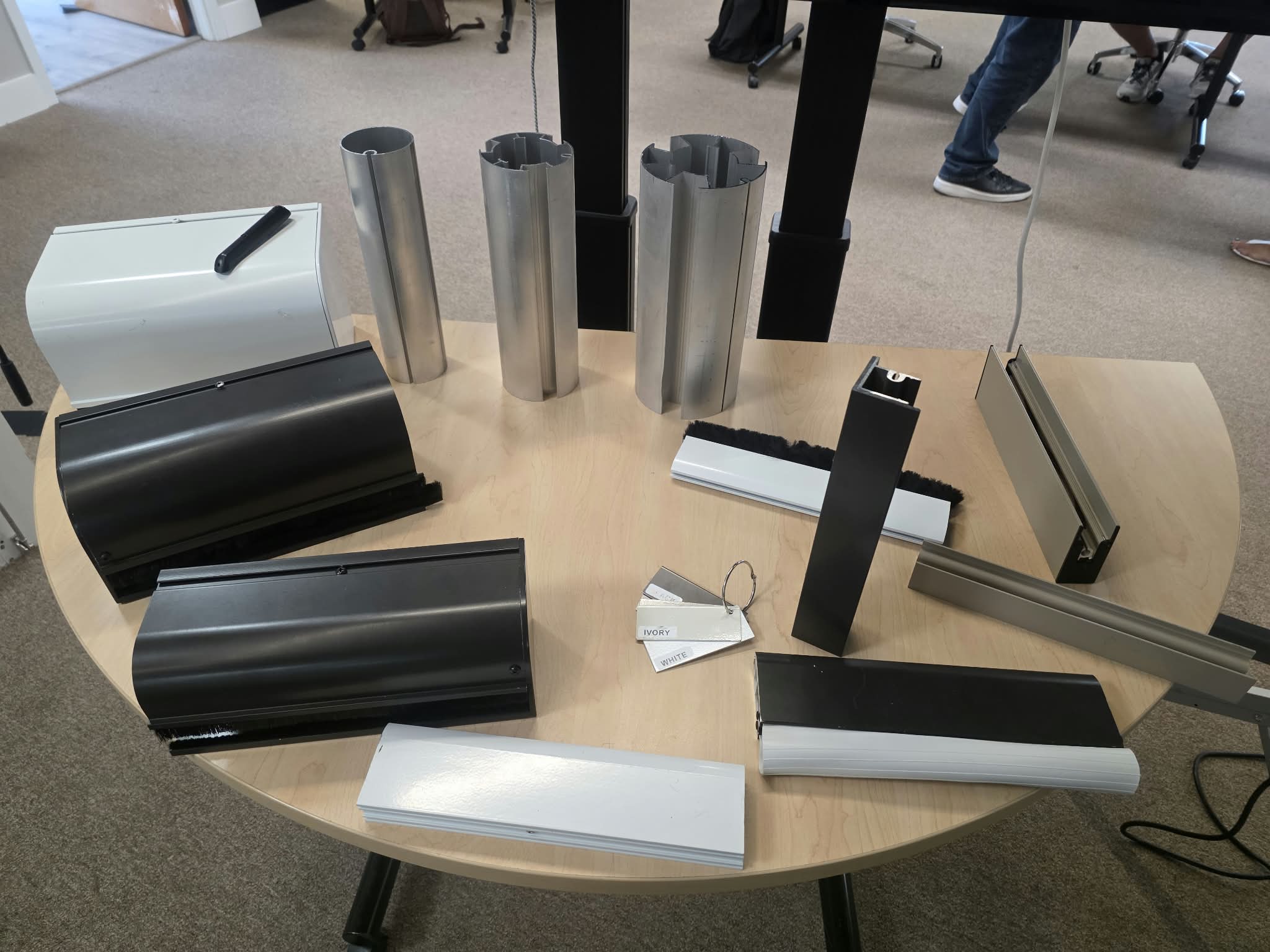
What are the best outdoor patio shades for Alabama homes?
Bullish Blind Co installs patio shades, exterior roller shades and outdoor covers for homes and businesses across North Alabama. Here is how the common options compare. I include awnings so you can see the difference, since homeowners ask me about them all the time.
| Option | Best for | Watch out for |
|---|---|---|
| Exterior roller shade on zip track | Covered patios, porches, pergolas and wind exposed spots | Needs a solid mounting surface and a square opening |
| Cable guided roller shade | Lower cost projects with moderate wind | The fabric moves more in gusts than it does on a zip track |
| Fixed solar screen | Screened porches and windows that need shade all day | Cannot be raised for winter sun or before a storm |
| Motorized outdoor shade | Wide openings, hard to reach spots, smart home setups | Needs a power plan: hardwired, battery or solar |
| Retractable awning | Extra overhang and some rain cover over a deck | Low sun slides underneath, and the structure is larger |
For most patios I recommend, the zip track roller shade is the pick. It keeps the fabric flat, handles wind better, and looks clean when it is rolled up.
Do outdoor shades keep a patio cooler?
Yes, and the reason is simple. An exterior shade stops sunlight before it reaches your glass doors and your seating area. Once heat gets through glass, an interior blind can only manage what is already inside.
The U.S. Department of Energy says exterior shading is more effective at reducing solar heat gain than interior treatments. It also estimates that awnings can cut summer solar heat gain by up to 65% on south facing windows and up to 77% on west facing windows. You can read the details on the Department of Energy's window treatment page.
Those numbers are for awnings, and real results change with fabric, color and where the shade sits. Treat them as proof the effect is strong, not as a promise for your exact patio.
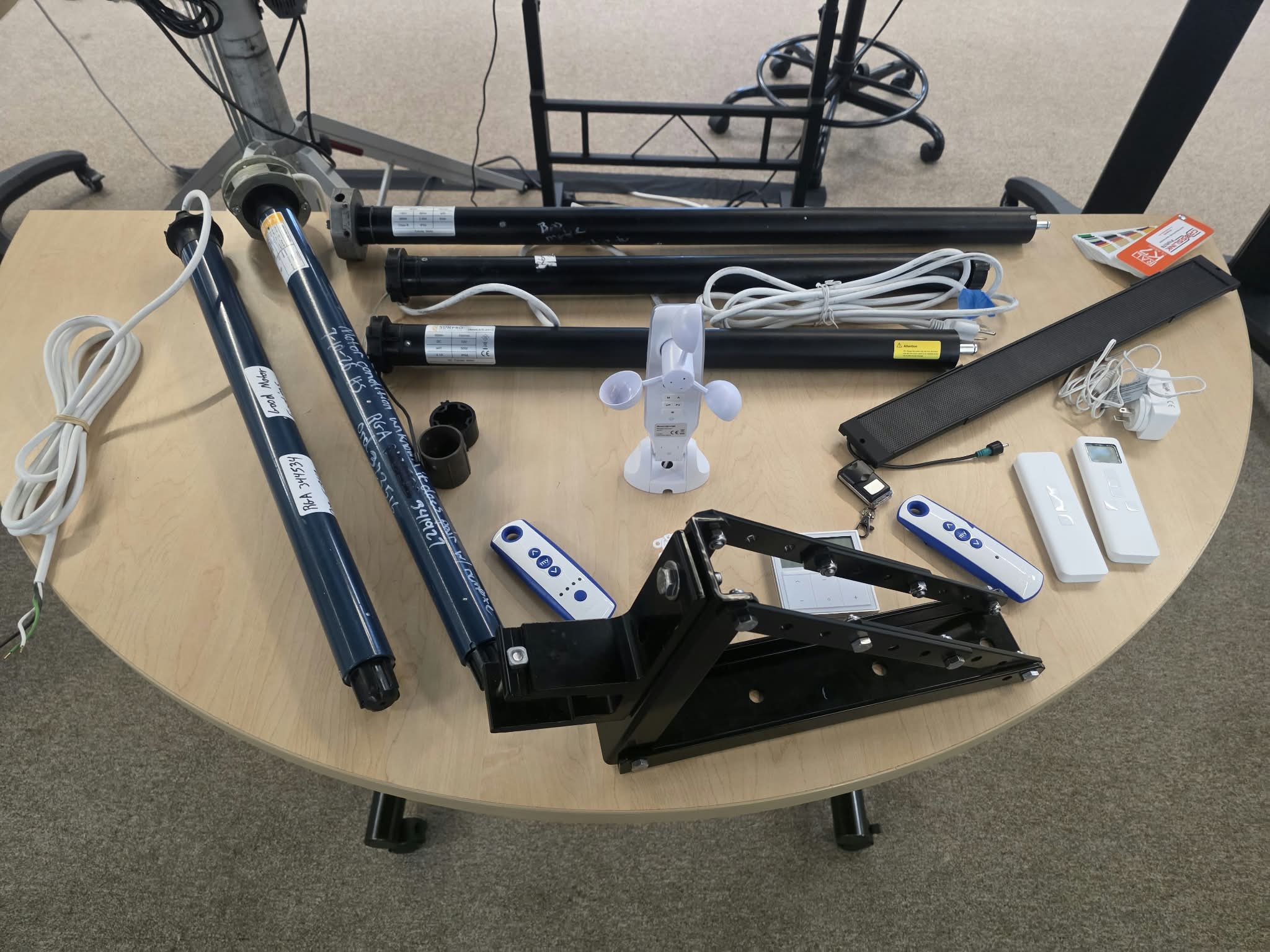
On a west facing patio, the late afternoon sun comes in low, which is the hardest angle for a roof overhang to block. A drop shade on the open side handles it. If your patio sits next to a sliding glass door, shading the outside also takes load off your air conditioner.
How to choose openness and color
Openness factor is the percentage of the fabric weave that is open. A 5% fabric lets about 5% of the light pass through. A 10% fabric lets through about twice that.
- 5% openness: blocks more heat, glare and UV, gives more daytime privacy, and feels a little darker under the shade.
- 10% openness: keeps the view clearer and the space brighter, but blocks less heat.
- Darker colors: cut glare and keep the view out of your patio crisp.
- Lighter colors: reflect more heat but make the view a bit hazier.
For a hot west facing patio, I start the conversation at 5%. For a shaded east or north side where you want light and a good view, 10% is often plenty. The best way to decide is to hold fabric samples up outside at the time of day that bothers you, which is why I bring them to the patio.
Can outdoor shades stay up in the rain?
Mostly yes, but they are not rain protection. Outdoor solar fabrics are a woven mesh, usually vinyl coated polyester or fiberglass with a mildew resistant finish. Rain passes through the weave. The fabric handles getting wet and dries quickly, and in our humidity that mildew resistance matters.
If you want to sit dry during a downpour, you need a roof, a waterproof awning or another covered structure. I tell customers this before they buy, because a shade sold as rain cover only leads to disappointment. On a covered porch or under a pergola roof, your shades will stay mostly dry anyway.
How much wind can exterior shades handle?
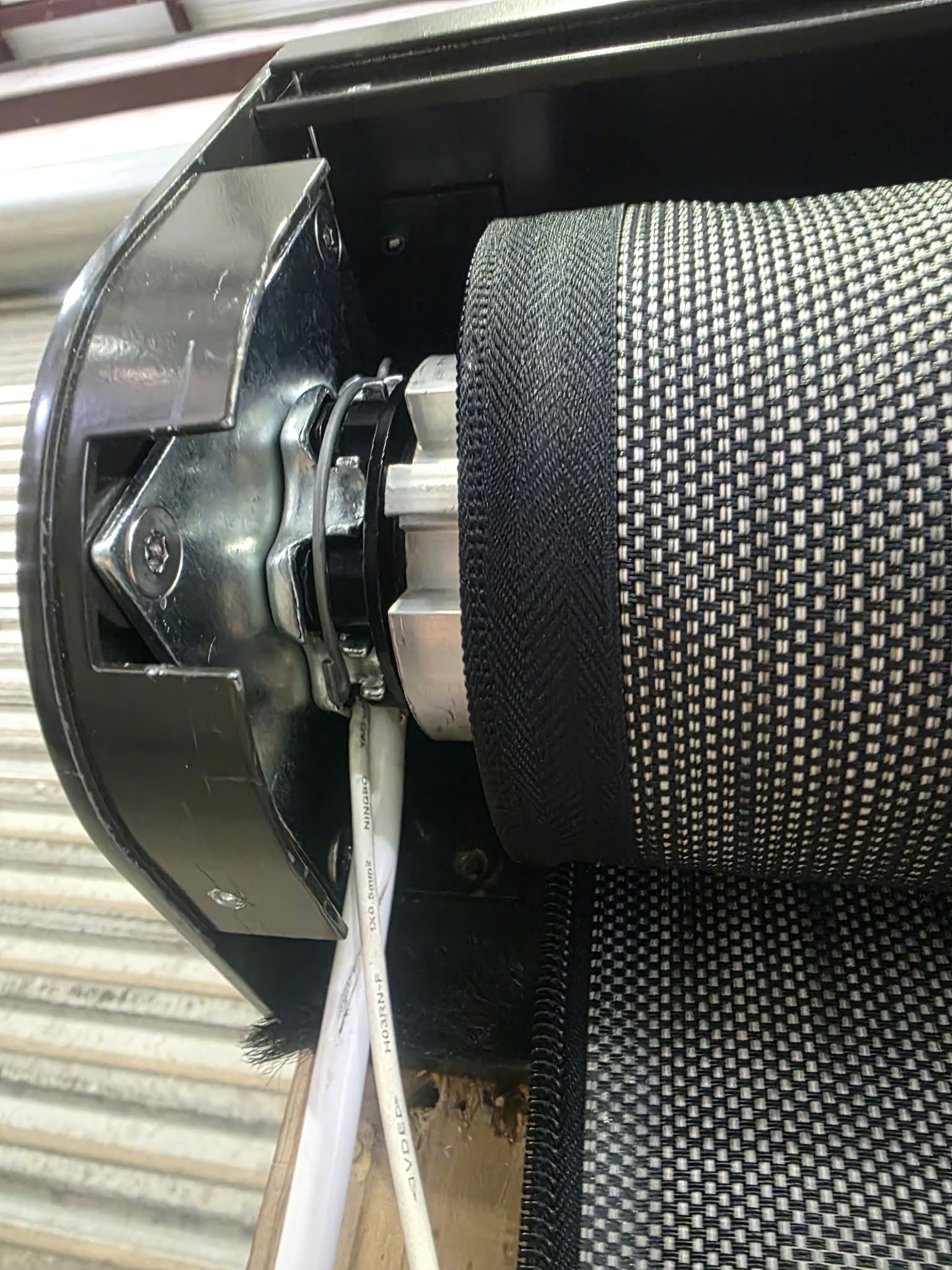
That depends on the system more than the fabric. A zip track holds both edges of the fabric inside a channel, so the shade stays flat in gusts instead of flapping. Cable guided systems hold the fabric with tensioned cables and allow more movement.
Every product has a wind rating from the manufacturer, and ratings change with the width and drop of the shade. I check the spec for your exact size instead of guessing.
Three habits keep outdoor shades alive in North Alabama:
- Raise them before a storm.
- Do not leave them down when you travel during storm season.
- On motorized shades, add a wind sensor so the shade retracts on its own when gusts pick up.
Do outdoor shades block pollen?
Not the way people hope. A shade is not an air filter, and pollen will still find your patio every spring. On the side the wind comes from, a shade can act as a partial screen, but do not expect a clean patio.
What I can promise is that the fabric is easy to care for. Once the heavy pollen weeks pass, rinse the shade with a garden hose and a little mild soap. I would rather tell you that plainly than oversell it.
Are motorized outdoor shades worth it?
For wide openings, tall ceilings and any shade you will use every day, yes. Outdoor shades are bigger and heavier than indoor ones, and cranking a wide shade gets old fast.
A motor also lets you add a wind sensor, a sun sensor and a timer, and many motors connect to Alexa, Google Home or Apple Home. If the shade is small and you will rarely move it, a manual crank works fine and costs less.
Whichever way you go, I plan the power before ordering. Hardwired, battery and solar powered options all exist, and running a wire after the fact is where outdoor jobs get messy.
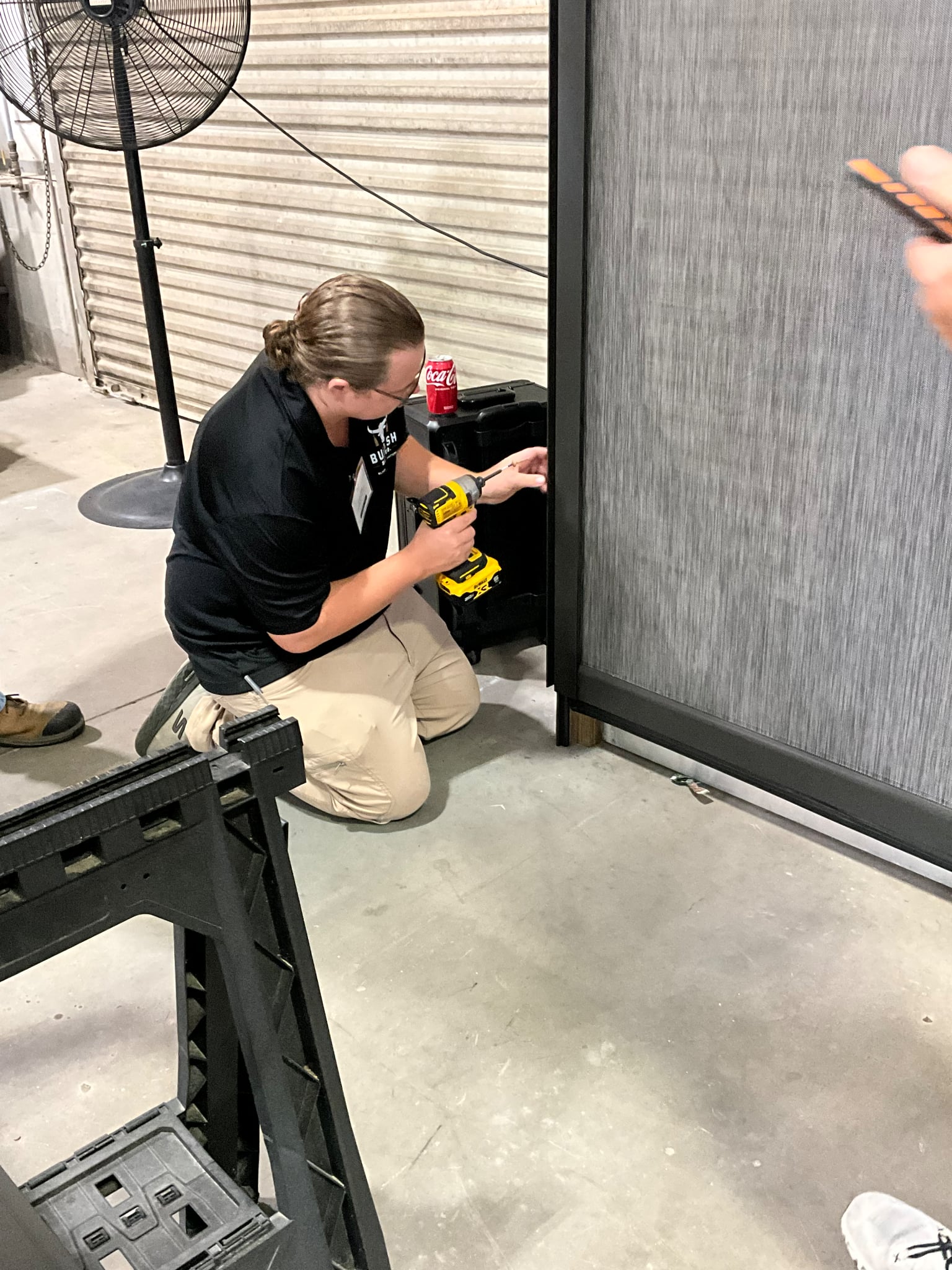
How I measure and install a patio shade
This is the process I follow on every outdoor job:
- I walk the patio at the time of day the sun is worst and note where the light lands.
- I check the mounting surface: beam, ceiling, fascia or post. The shade is only as steady as what it hangs from.
- I measure width at the top, middle and bottom, and height on the left, center and right. Outdoor openings are rarely square.
- I choose the mount type and leave the right clearance for the track.
- We pick the fabric openness and color together against samples, outside.
- If it is motorized, we settle the power plan.
- I install it myself, test the full raise and lower, check the track alignment and show you how to use it.
Bullish Blind Co does not use subcontractors. I do every measurement and every install, so the person who quotes your job is the person standing on your patio.
Care and lifespan
Rinse with a garden hose, use mild soap and a soft brush for stubborn spots, and skip the pressure washer and the bleach. Raise the shade during storms.
How long a shade lasts depends on sun exposure, fabric, hardware and care. Ask any installer, me included, for the warranty terms in writing before you sign.